
Seahorse in the Philippines
Seahorse in the Philippines
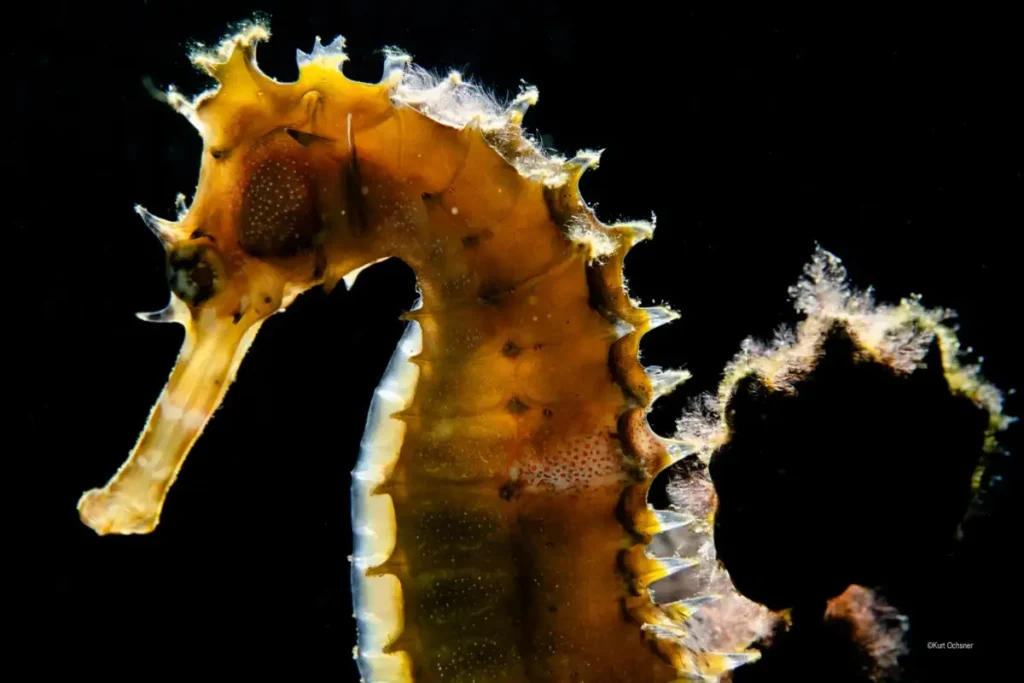
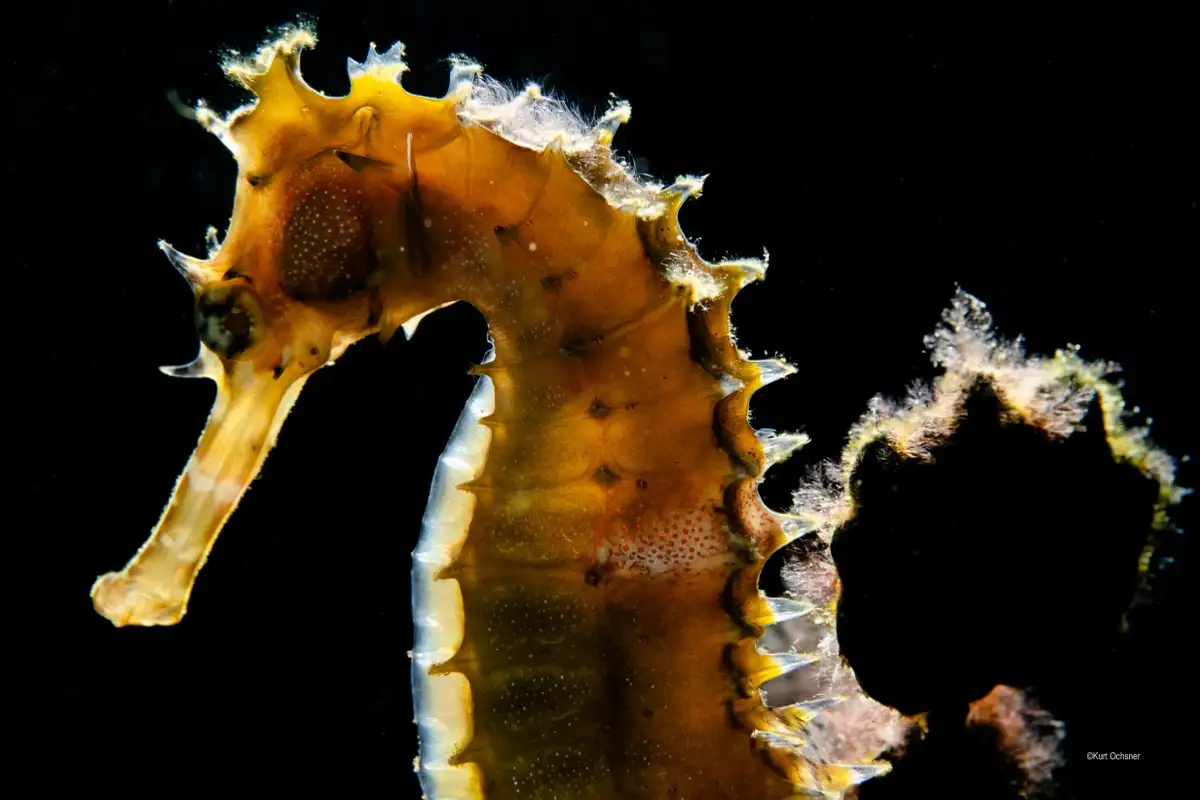
Spotting a seahorse underwater is one of those magical moments that slows every diver down.
Unlike fast-moving reef fish, seahorses drift gently through the water, clinging to soft corals, sea fans or seagrass with their prehensile tails. Their unusual shape, graceful movements and incredible camouflage make them one of the ocean’s most fascinating creatures.
The waters around Sipalay in Negros Occidental offer excellent macro diving opportunities, and with a careful eye—and often the help of an experienced local dive guide—you may be lucky enough to encounter one of these remarkable fish.
Whether you’re an underwater photographer, a marine-life enthusiast or simply curious about the incredible diversity of the Philippines, seeing a seahorse in its natural habitat is an experience you’ll never forget.
Quick Facts
Feature | Information |
|---|---|
Common Name | Seahorse |
Scientific Genus | Hippocampus |
Family | Syngnathidae |
Size | Approximately 2–35 cm (species dependent) |
Habitat | Seagrass, sea fans, soft corals, sheltered reefs |
Best For | Macro diving and underwater photography |
Dangerous? | No |
Difficulty to Find | Moderate to difficult |
Best Season | Possible year-round |
Where Can You See Seahorses Near Amila?
The coastline around Amila Dive Beach Resort is home to a wide variety of marine habitats that provide suitable conditions for seahorses.
Experienced dive guides carefully search areas such as:
- Soft coral gardens
- Sea fans
- Protected reef slopes
- Seagrass habitats
- Calm macro dive sites
Because seahorses depend on camouflage rather than speed, they can be surprisingly difficult to spot. Many divers swim straight past them without ever noticing they are there.
This is where local knowledge makes a real difference.
Our dive guides know where to search while always respecting the animals and their habitat.
Marine life is never guaranteed, but careful observation greatly increases your chances of an unforgettable encounter.
What Makes Seahorses So Special?
Few marine animals are as unique as seahorses.
Although they look unlike any other fish, they are true fish, belonging to the same family as pipefish and seadragons.
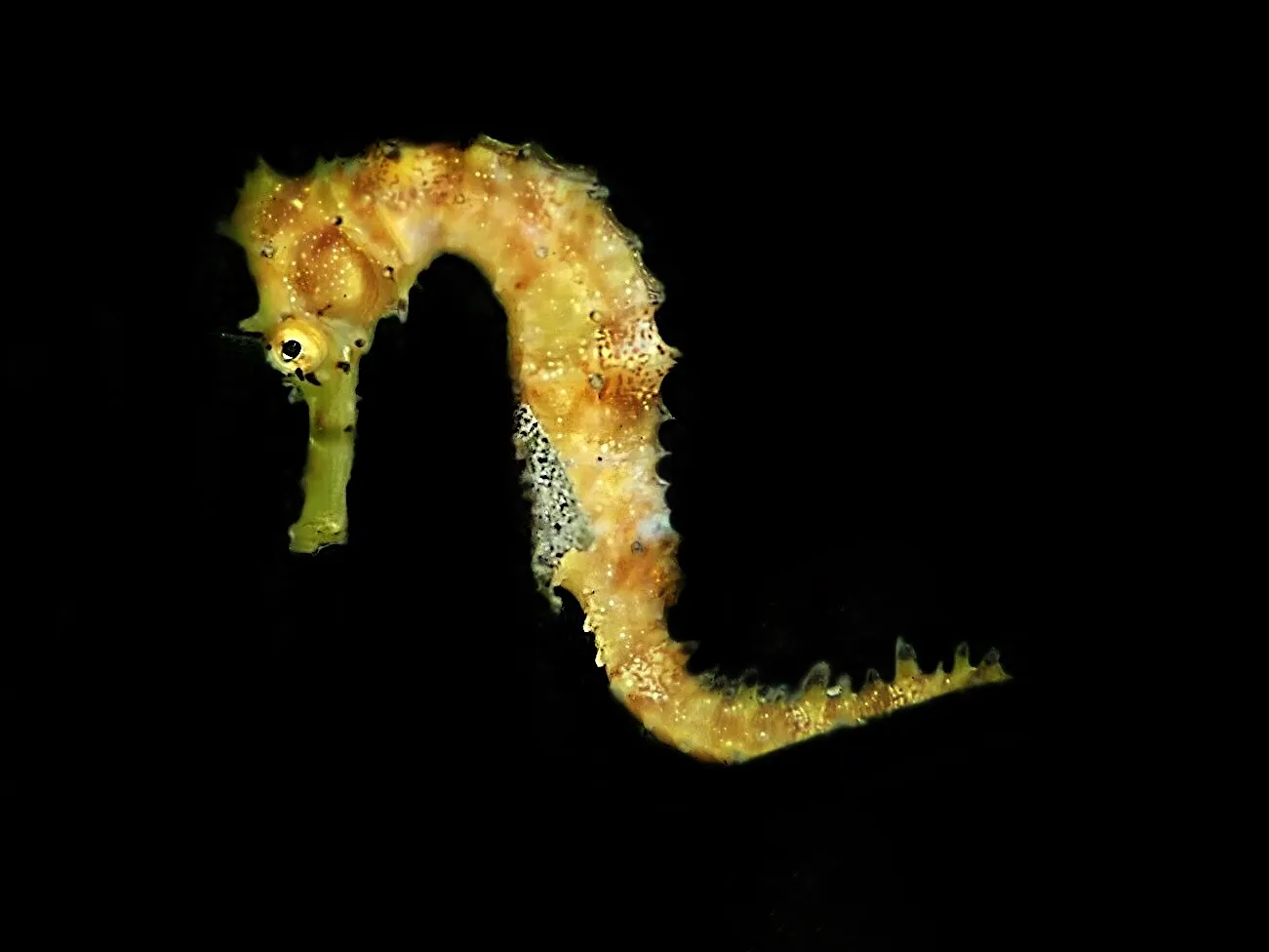
Instead of scales they have bony plates, and instead of swimming quickly they rely on tiny dorsal fins that beat rapidly to propel them gently through the water.
Their curled tail acts like a fifth limb, allowing them to anchor themselves securely to corals or seagrass while currents pass by.
This remarkable adaptation helps conserve energy while remaining almost invisible to predators.
The Male Carries the Babies
Perhaps the most famous fact about seahorses is that the male becomes pregnant.
After an elaborate courtship, the female deposits her eggs into a brood pouch on the male’s abdomen.
The male fertilises and protects the developing embryos inside this pouch until they are fully developed.
Depending on the species, he may give birth to dozens—or even hundreds—of tiny seahorses at one time.
This extraordinary reproductive strategy is unique among vertebrates and continues to fascinate marine biologists around the world.
Masters of Camouflage
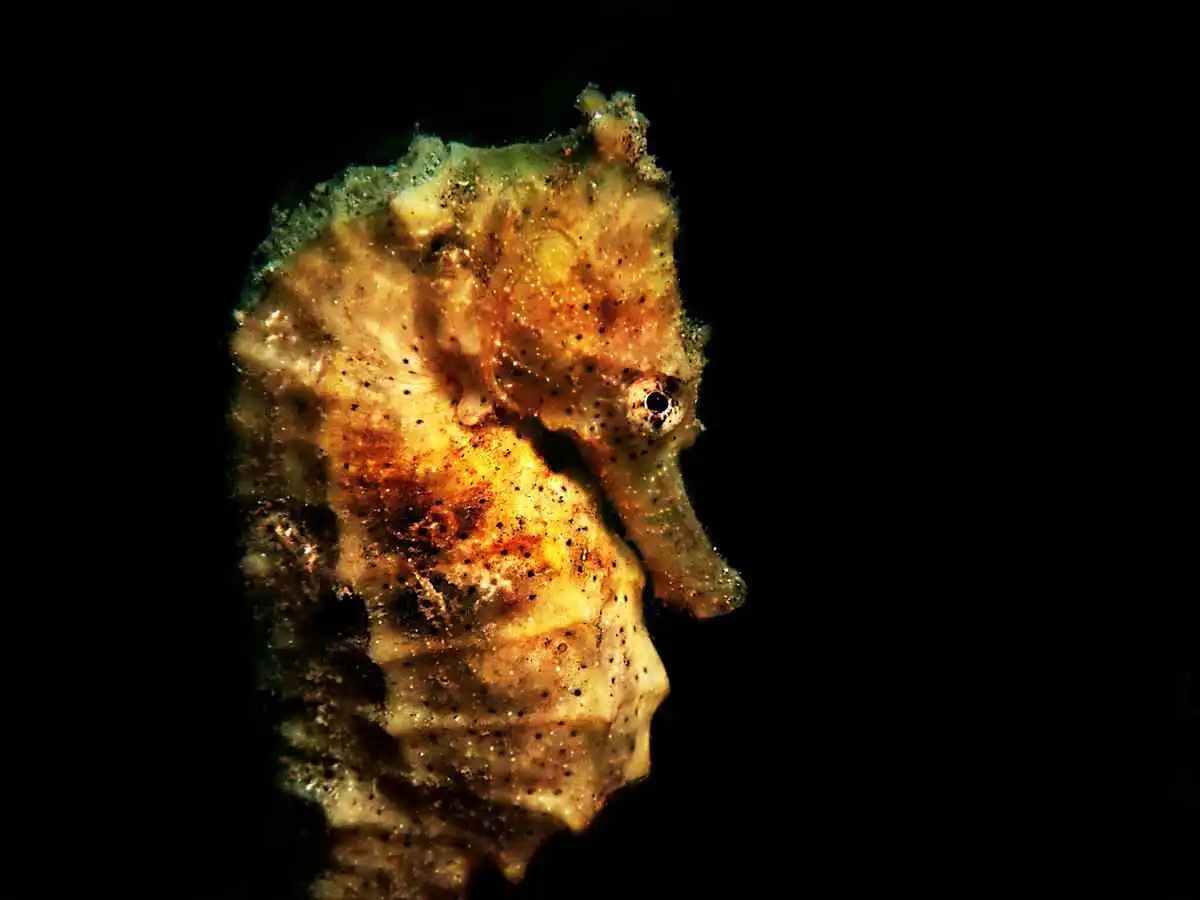
Like frogfish, seahorses rely heavily on camouflage.
Their colours can blend remarkably well with:
- Sea fans
- Soft corals
- Sponges
- Algae
- Seagrass
Some species can gradually change colour to better match their surroundings.
Combined with their slow, swaying movements that imitate drifting plants, they become incredibly difficult for predators—and divers—to detect.
Why Divers Love Finding Seahorses
For many underwater photographers, seahorses represent the perfect macro subject.
Their behaviour allows photographers to take time with composition while capturing intricate details such as:
- Their independently moving eyes
- Delicate body texture
- Curled tail
- Coronet (the crown-like structure on the head)
- Tiny fins beating almost invisibly
Unlike many reef fish, seahorses often remain in the same small area for extended periods, making patient observation especially rewarding.
Responsible Seahorse Encounters
Because seahorses are delicate animals, responsible diving is essential.
When observing or photographing seahorses:
- Never touch or handle them.
- Never move them for a better photograph.
- Avoid shining bright lights for prolonged periods.
- Maintain excellent buoyancy.
- Keep fins clear of corals and seagrass.
- Allow every diver time to enjoy the sighting.
Ethical diving protects these extraordinary animals and ensures future visitors can enjoy them as well.
Healthy Reefs Support Healthy Seahorses
Seahorses depend on healthy marine ecosystems.
Coral reefs, seagrass meadows and sheltered coastal habitats provide food, shelter and breeding areas.
Protecting these habitats benefits not only seahorses but also countless other marine species found around Sipalay.
Every responsible dive contributes to raising awareness about the importance of marine conservation.
Can You See Seahorses All Year?
Yes.
Seahorses may be encountered throughout the year in suitable habitats around Sipalay.
However, sightings always depend on natural conditions, visibility and a little luck.
Some dives reveal several individuals, while others may reveal none.
That unpredictability is part of the excitement of macro diving.
Frequently Asked Questions
Are seahorses common in the Philippines?
The Philippines is one of the world’s richest marine environments, and several seahorse species occur in its coastal waters.
Are seahorses dangerous?
No.
Seahorses are completely harmless to humans.
Why do male seahorses carry the babies?
Male seahorses incubate the eggs in a specialised brood pouch until the young are ready to be released into the ocean.
Are seahorses difficult to find?
Yes. Their excellent camouflage means they are often overlooked without the assistance of experienced local dive guides.
Can beginner divers see seahorses?
Yes.
Depending on conditions and the dive site, beginner divers may encounter seahorses during recreational dives.
Experience the Underwater World Around Amila
The reefs surrounding Amila Dive Beach Resort are home to an extraordinary diversity of marine life.
Alongside seahorses, divers regularly search for:
- Frogfish
- Ghost Pipefish
- Nudibranchs
- Reef Sharks
- Sea Turtles
- Giant Clams
- Colourful reef fish
- Healthy coral gardens
Every dive offers something different, making each underwater adventure unique.
Whether you’re taking your first underwater photographs or adding another species to your life list, the waters around Sipalay reward patient, curious divers.